

AgriBoost: ACCELERATED POULTRY AND HORTICULTURE BUSINESSES CHAMPIONS IN THE SAHEL
Introduction
The AgriBoost programme sought to strengthen the horticulture and poultry sectors in Burkina Faso, Mali, and Niger by working with 60 successful, profitable, and innovative business champions. These Business Champions were exceptional entrepreneurs who had already demonstrated their competence in running successful businesses. Through knowledge sharing, technical assistance, and enhanced trade relations, the programme aimed to promote economic growth and development in the poultry and horticulture sectors in the Sahel, and to foster collaboration between the region and the Netherlands.
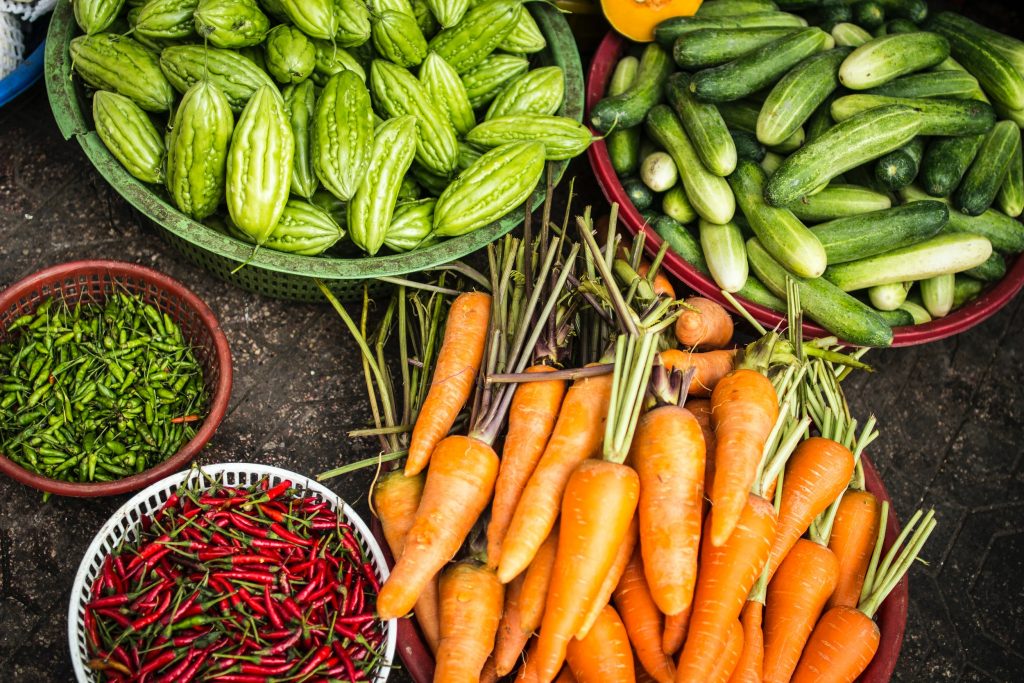
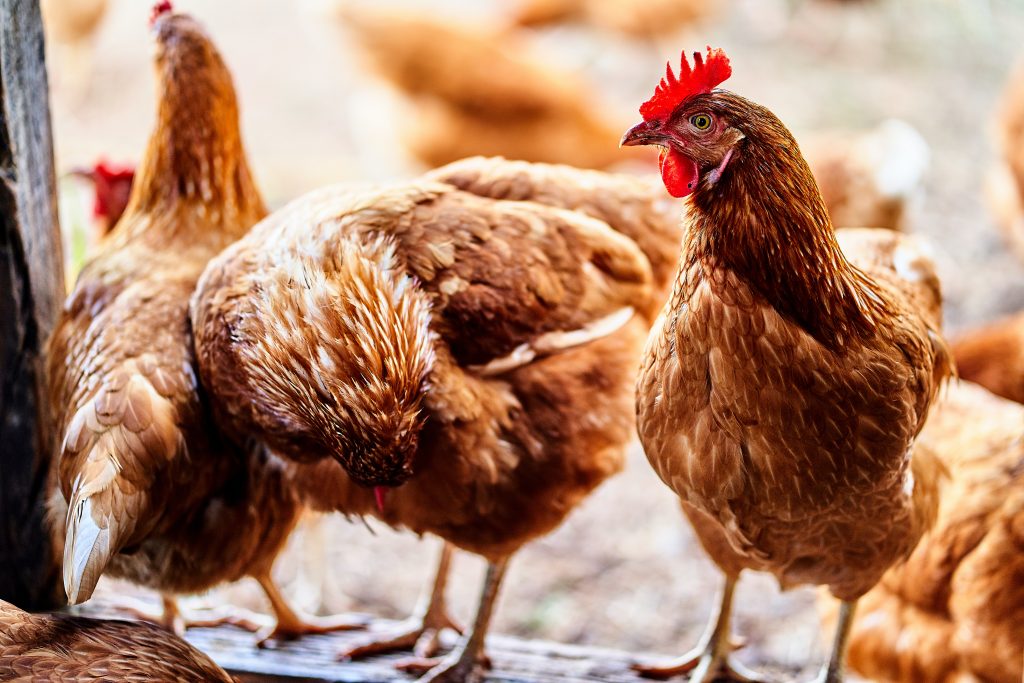



By showcasing these outstanding entrepreneurs, AgriBoost aimed to highlight the potential of agribusiness in the Sahel region, using their experience as an example and inspiration for young entrepreneurs to work in or start a business in the poultry or horticulture sectors.
Our services were designed to be demand-based, allowing us to tailor our support to meet the specific needs of our esteemed Business Champions.
To achieve this, the consortium of NABC and PUM collaborated with a diverse range of public and private partners, including local investment agencies, chambers of commerce, and incubators.
Moreover, by linking the Business Champions with Dutch knowledge and expertise, the consortium was able to help these entrepreneurs access new markets, technologies, and sustainable best practices with the aim of increasing their production.
Approach

Cooperative Approach
AgriBoost had a cooperative approach, fostering collaboration between the Consortium and Business Support Organisations (BSOs) in the Sahel region. This allowed us to leverage the collective expertise and resources of various stakeholders to address the specific challenges and opportunities in the agriculture sector.

Network Approach
We utilised a network approach that encouraged active participation and collaboration among the involved Business Champions. Through knowledge sharing, we collectively identified the challenges and opportunities in the Sahel’s agriculture sector and developed innovative strategies to overcome athem.

Targeted Approach
AgriBoost had a targeted approach, focusing specifically on priority areas for the Business Champions, i.e., poultry and fruit and vegetable farming in the Sahel. We recognised the significance of these sectors in driving economic growth and improving food security. By concentrating our efforts on these specific areas, we developed sustainable and profitable solutions that had a meaningful impact on the region’s agriculture industry.

Regional Approach
Connecting companies in the Sahel to each other, and to countries in the coastal area, improved access to markets. Trade in the region was stimulated by the growth of individual companies and the sector as a whole. Working with a regional programme reinforced the inter-regional network between the Sahel countries and their opportunities in the coastal countries and towards the Netherlands.
What is a Business Champion?
Business Champions were entrepreneurs who had already proven to be capable of running a business in their own country but benefited from tailor-made support to grow and grasp regional trade opportunities.
By showcasing these Business Champions, and through networking and peer learning, we aimed to demonstrate the potential of agribusiness in the Sahel. By positioning these Business Champions as role models for young aspiring entrepreneurs, we contributed to creating economic perspectives for youth in the Sahel.
The Services Offered by the AgriBoost

1. Business Development
Business Champions had access to information on sustainable and innovative business practices related to the priority areas of horticulture and poultry. This included up-to-date knowledge on best practices and environmentally friendly approaches that enhanced the productivity and sustainability of their operations.

2. Technical Assistance
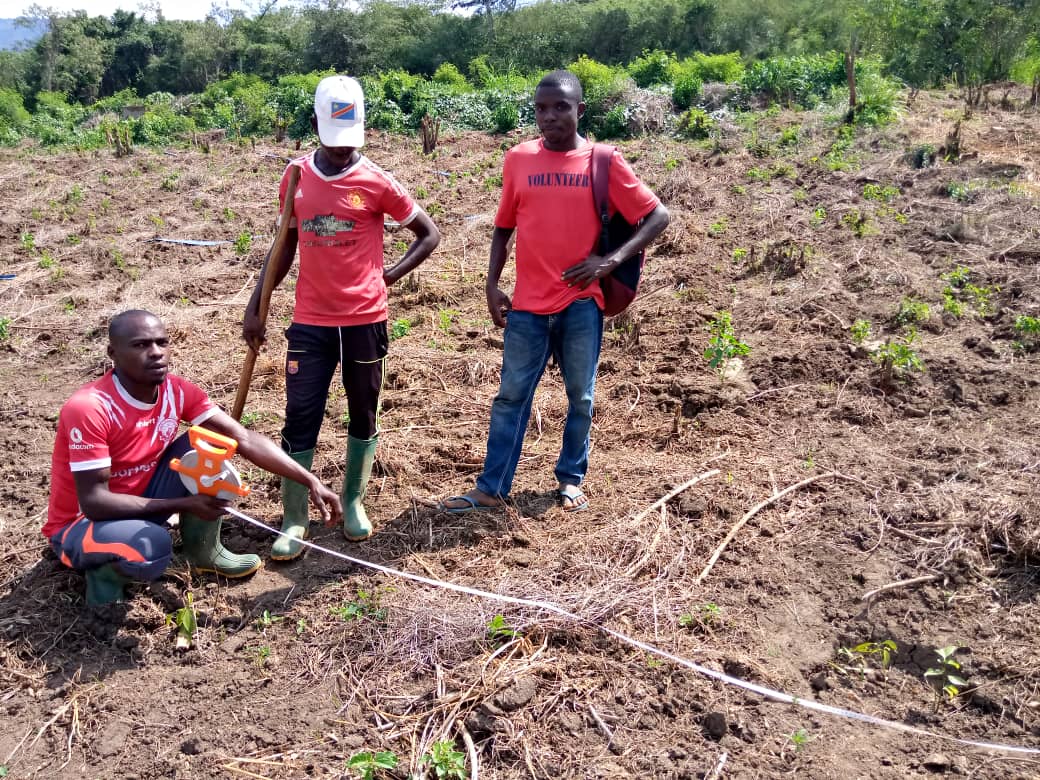
AgriBoost provided technical assistance through the deployment of experienced technicians, trainers, and facilitators. These experts offered on-site support, training sessions, and guidance to entrepreneurs, helping them improve their technical skills, address challenges, and adopt sustainable and efficient practices in their horticulture and poultry operations.

3. Networking
AgriBoost fostered a platform for business champions to exchange good practices with their peers. Through networking events and workshops, opportunities for knowledge sharing were facilitated. In this way, entrepreneurs were able to learn from each other’s successes, challenges, and innovative approaches.

4. Participation in Trade Fairs
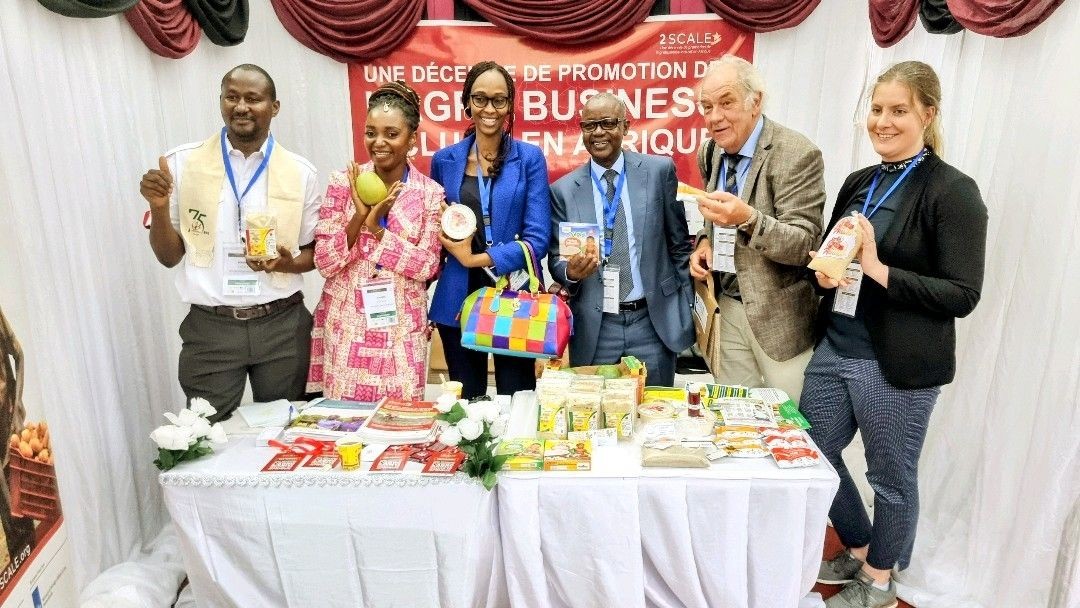
AgriBoost facilitated Business Champions’ participation in prominent trade fairs in the sub-region, such as SARA. Entrepreneurs had the opportunity to showcase their products, connect with potential buyers, and gain exposure to a wider audience. As an added benefit, eligible participants were offered a free stand at the trade fair, enabling them to present their offerings effectively.

5. Connection to Investors
AgriBoost connected business champions with investors in the region. With 250 member companies from the Dutch private sector, the NABC could directly connect them with trusted business partners and potential investors.
About Implementors
The foundation of this programme was built on the good results of the FAB Forum (Francophone African Business Forum), which was a unique platform facilitating business linkages between the private and public players from Mali, Niger and Burkina Faso with the Dutch private sector. Through the FAB Forum, the NABC managed to build a unique networking platform of approximately 100 successful entrepreneurs in Mali, Burkina Faso, and Niger among other countries. As such, the NABC was involved in most key sectors of the local economy, mainly in agricultural sectors such as horticulture and poultry. Over the past years, NABC built a significant track record in the Sahel region and saw great interest from companies from Mali, Niger and Burkina Faso to do business with the Dutch private sector, and vice versa.
Our consortium was composed of the NABC and PUM senior experts. The NABC had a Memorandum of Understanding (MoU) with 8 business support organisations (the Chamber of Commerce and Industry in Mali (CCI Mali), the Investment Promotion Agency in Mali (API Mali), Impact Hub Bamako, the Chamber of Commerce and Industry in Niger (CCI Niger), the Centre Incubateur des Petites et Moyennes Entreprises du Niger (CIPMEN), the Chamber of Commerce and Industry in Burkina Faso (CCI BF), Agence Burkinabé des Investissements (ABI), and Beoogolab).
Our consortium used both its broad network and its extensive knowledge of the local challenges and opportunities in the horticulture and poultry sectors in Mali, Burkina Faso, and Niger for the advancement of farmers and potential entrepreneurs in these countries.
The NABC led the programme by providing Business Development Services to the Business Champions, organising the trade fairs, and linking Dutch knowledge, expertise, and companies with opportunities in the Sahel.
PUM provided technical and managerial support from its (international and local) expert base. By promoting synergy between the African entrepreneurs (the “Business Champions”), their mentees, and the various Business Support Organisations in the Sahel, as well as their existing Dutch client base, PUM aimed to strengthen the overall business support environment in West Africa and fostered ties between African and Dutch entrepreneurs.
Yiriwa formed the local counterpart in the implementation of the development programme activities. Run by Binta Diakité in Bamako, she supported companies, investors, and policy makers in the horticulture and poultry sectors.
Results and Outcomes
- 60 horticulture and poultry entrepreneurs supported through training, mentorship, and matchmaking
- High-value partnerships established with institutions such as CIPMEN, 2SCALE, IFDC and FACEJ
- Cross-country peer learning created a strong regional cohort across Mali, Burkina Faso and Niger
- 70+ business connections formed between Sahelian entrepreneurs, Dutch companies, and regional actors
- Dutch business interest exceeded expectations enhancing bilateral economic ties
- 49 youth-led businesses matched with sector experts
- Support delivered in technical production, market access, climate resilience, and growth planning
- Strong results in poultry (lower mortality, higher efficiency) and horticulture (better seed access, improved practices)
- All services within Agriboost were fully demand-driven, ensuring that support was tailored to the specific needs of each business champion. To deliver this customised assistance, the consortium of NABC, PUM, and Yiriwa worked closely with a diverse network of public and private partners, including local experts, investment agencies, chambers of commerce, and start-up incubators
- Despite political instability, the regional approach generated strong cross-border learning and trade links, where companies across the three focus countries were successfully connected to each other
- Efficient use of WhatsApp-based exchanges and with an outcome of 16 online meetings knowledge sharing and engagement was boosted
- Local consultants outperformed expectations, ensuring continuity when international mobility was limited, PUM played a central role in facilitating knowledge transfer
- 1,770 seasonal and 178 permanent jobs supported
- 80% of firms reported revenue growth, with 37% of supported entrepreneurs being women
- Five investable business plans developed , with one already funded despite a fragile investment climate
Continued Business Opportunities between The Netherlands and the Sahel
The economic link between Dutch and Sahelian businesses remains vital. Countries such as Burkina Faso and Niger play a key role in supplying tomatoes, onions, carrots, and other essential produce to the coastal region. The Netherlands, in turn, offers valuable expertise and high-quality inputs, including seeds, irrigation technologies, and fertilizers, that support and strengthen agricultural productivity in the Sahel.
These complementary strengths underline the significant opportunities that still exist to deepen trade relations. The programme showcased the growing potential of agribusiness in the Sahel, with successful initiatives in the poultry and horticulture sectors serving both as practical examples for companies in the region and as inspiration for young entrepreneurs eager to enter these value chains.
Partners


Contact Us
Mattijs Renden
- Sahel Region, Côte d'Ivoire, Tunisia, Ethiopia, Kenya, Ghana
- mattijs.renden@nabc.nl